

Colorado’s Regulated
Home / Existential Concerns
What Is a Clinical Psilocybin Journey Actually Like?
For many people, the idea of a psilocybin journey brings up curiosity alongside uncertainty.
What really happens during a clinical psilocybin experience? Is it intense? Emotional? Spiritual?
Will I “lose control”?
In a regulated, clinical setting, a psilocybin journey is not about escape or spectacle—it is a
carefully prepared, supported, and integrated therapeutic process designed to help people
access insight, emotional flexibility, and healing in a safe and ethical way.
Below is a grounded look at what a clinical psilocybin journey is actually like, from preparation
through integration.
1. Preparation: Setting the Foundation
A clinical psilocybin journey begins well before the day of dosing.
Preparation sessions focus on:
- Building trust and therapeutic rapport
- Clarifying intentions (not rigid goals)
- Reviewing physical and psychological safety considerations
- Exploring personal history, strengths, and areas of vulnerability
- Learning how to work skillfully with difficult emotions if they arise
Rather than “trying to make something happen,” preparation helps clients adopt a stance ofcuriosity, openness, and self-compassion.
Many people find that the preparation phase alone begins to shift perspective—bringing clarity,emotional relief, or a deeper sense of readiness.
2. The Setting: Calm, Contained, and Supportive

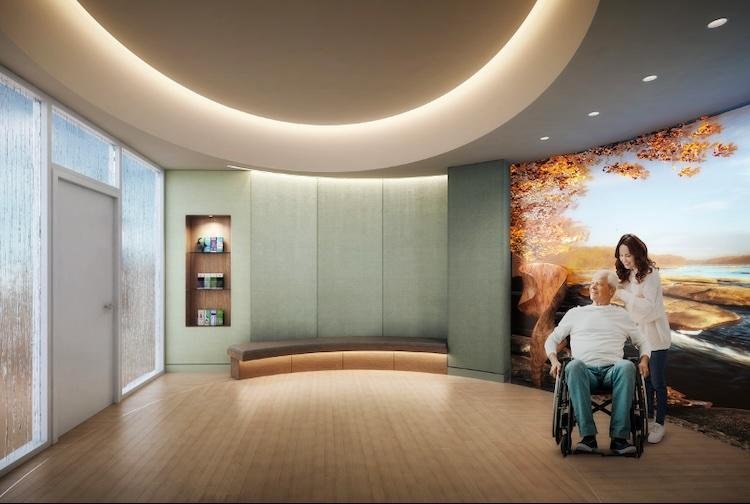
Clinical psilocybin sessions take place in a quiet, intentionally designed space—often
resembling a comfortable therapy room rather than a medical clinic.
Common elements include:
- A couch or recliner
- Soft lighting and calming décor
- An eye mask to support inward focus
- A carefully curated music playlist
- Continuous support from trained facilitators
You are never left alone. Facilitators remain present throughout the experience, offering reassurance, grounding, or gentle guidance when needed—without directing or interfering with your inner process
3. Onset: Gradual and Often Subtle
After ingesting psilocybin, effects typically begin within 30–60 minutes.
Early sensations may include:
- Physical relaxation or heaviness
- Heightened sensory awareness
- Emotional openness
- Mild nervousness or anticipation (very common and normal)
Nothing needs to be “done.” Clients are encouraged to lie back, wear the eye mask, and allow the experience to unfold naturally.
4. The Core Experience: Turning Inward
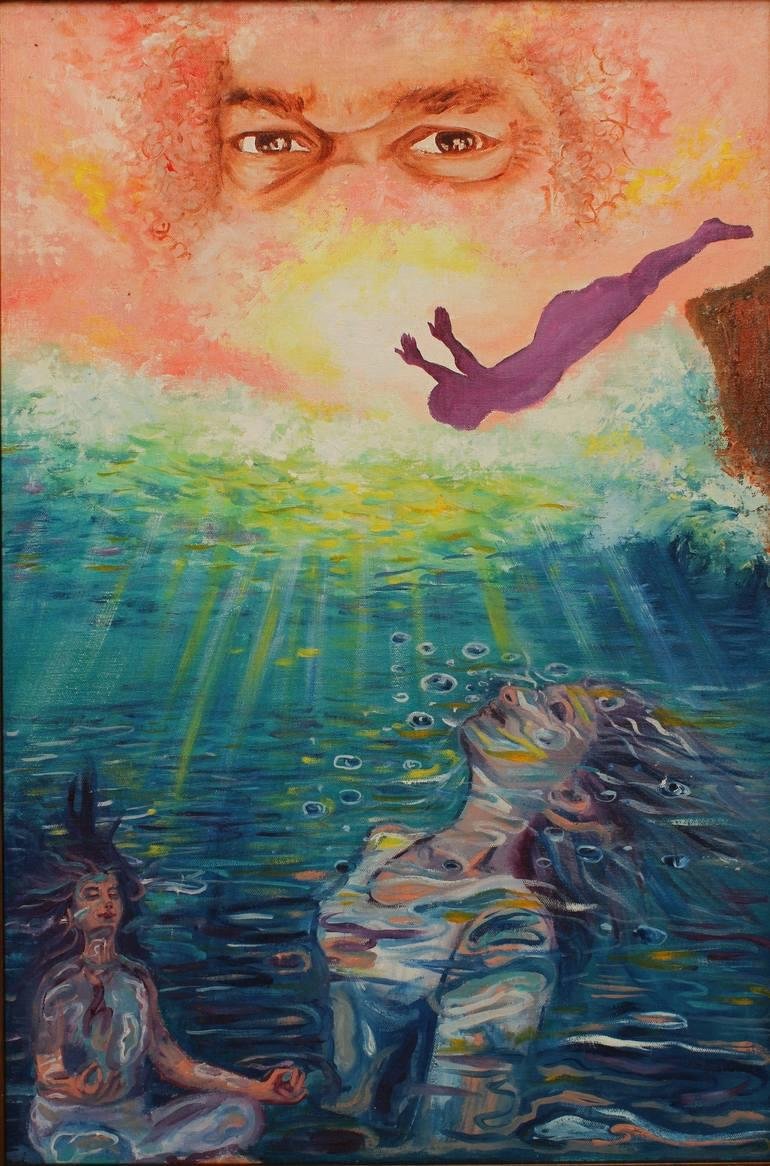


The heart of a clinical psilocybin journey is often described as deeply inward and experiential, rather than visual or hallucinatory in a dramatic sense.
People commonly report:
- Vivid emotional or autobiographical memories
- A sense of observing thoughts and feelings with less judgment
- Emotional release (grief, relief, gratitude, forgiveness)
- Insights into relationships, patterns, or identity
- A felt sense of connection—to self, others, nature, or meaning
Some journeys feel gentle and spacious; others involve challenging emotions or memories. In clinical work, difficulty is not viewed as failure—often it is where important healing occurs.
Facilitators support clients in trusting the process, reminding them that emotions move whenthey are allowed rather than resisted.
5. Sense of Self: Often Shifted, Not Lost
A common fear is “losing control” or “losing myself.”
In clinical settings:
- Most people remain aware of who they are and where they are
- Communication is usually possible if needed
- The sense of self may feel less rigid, quieter, or more expansive
Many clients describe this as a relief—a break from habitual self-criticism, fear, oroverthinking—rather than something disorienting.
6. Duration and Closing the Session
The active effects of psilocybin typically last 4–6 hours.
As the experience winds down:
- Emotional intensity gradually softens
- Thought processes become more linear
- Clients often feel reflective, tender, or calm
Time is built in at the end of the session for grounding, light conversation, and rest before leaving the space. Clients do not drive afterward and are encouraged to keep the rest of the day quiet and spacious
7. Integration: Where Change Takes Root
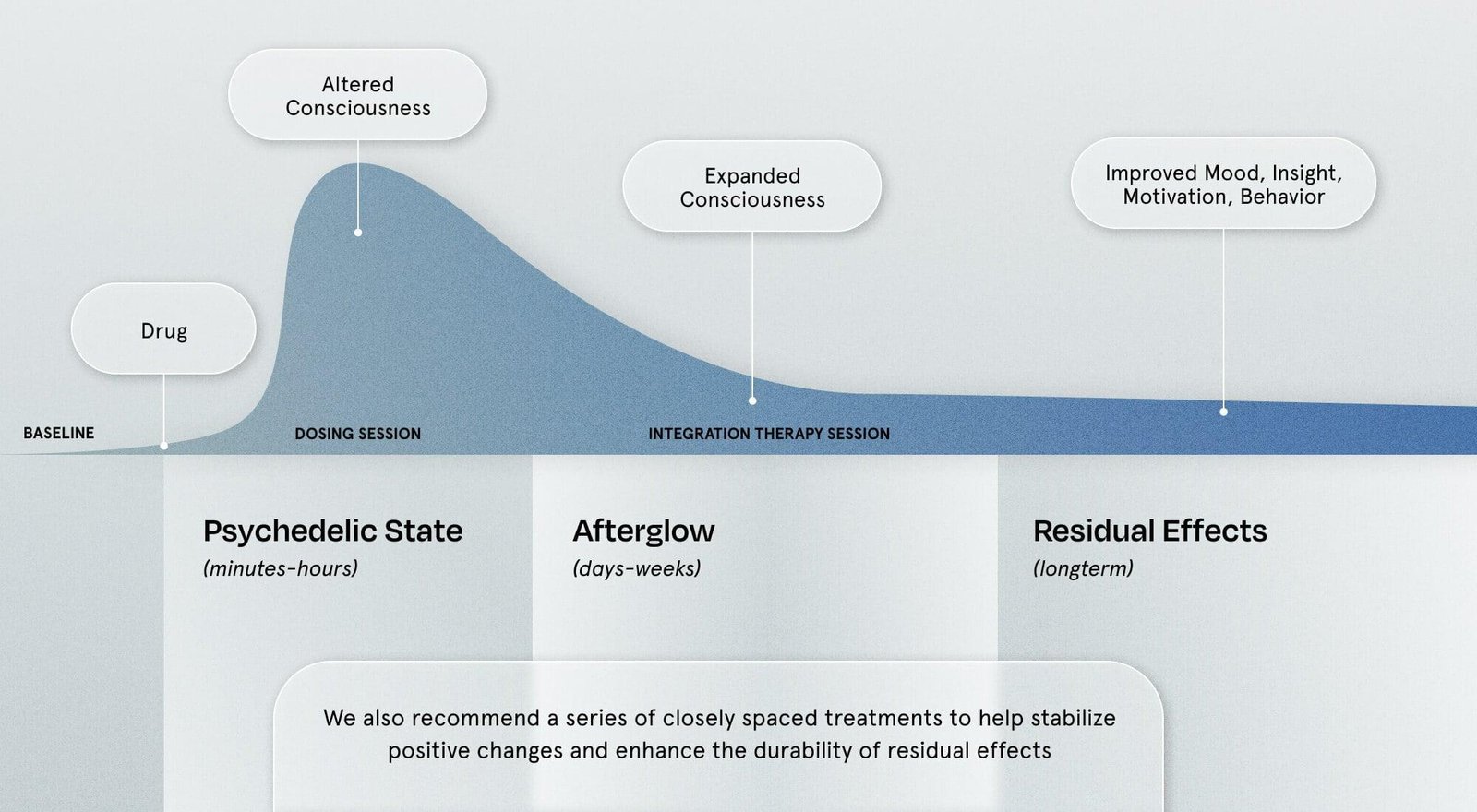

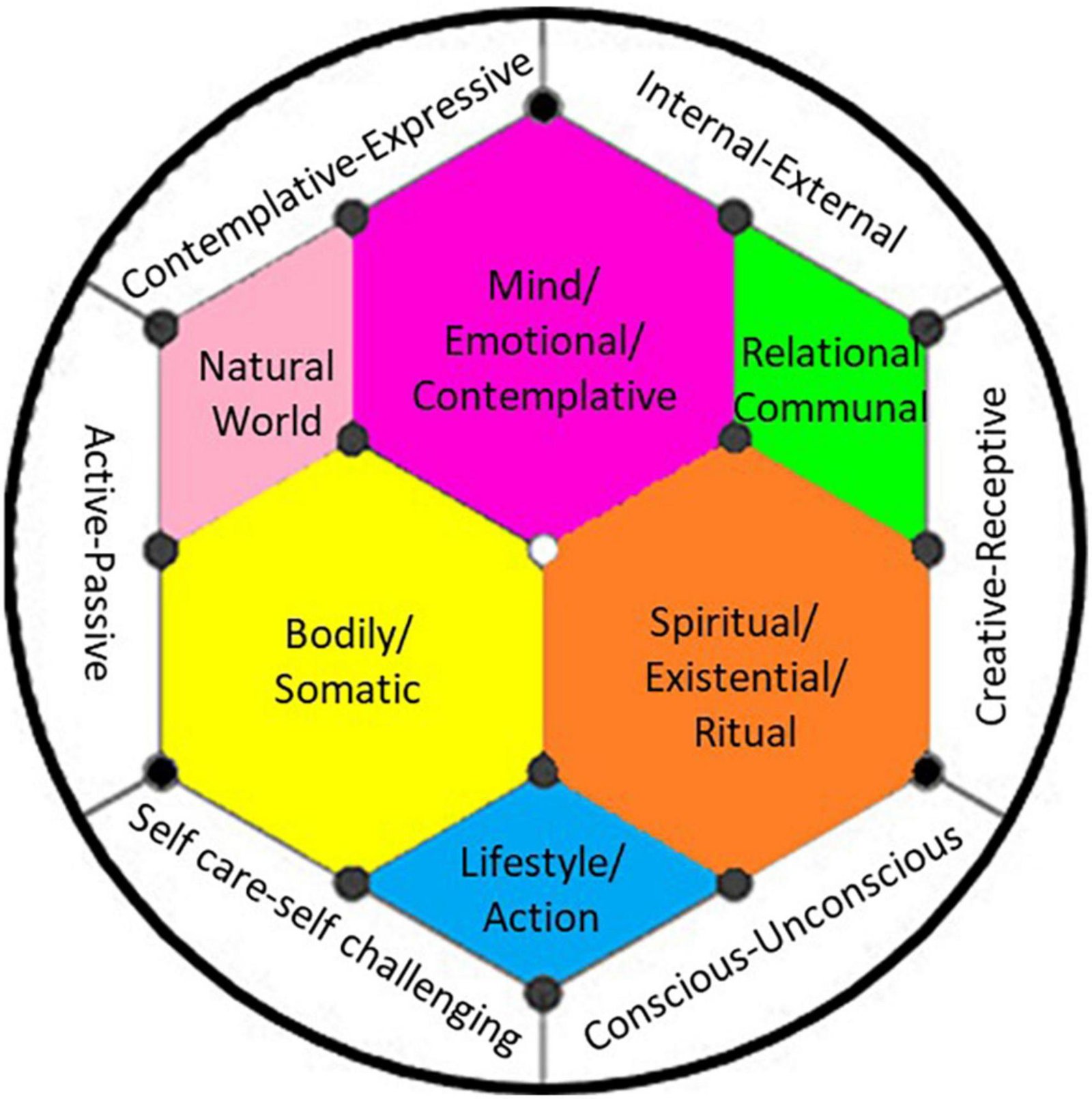
The journey does not end when the medicine wears off.
Integration sessions help clients:
- Make sense of insights and emotional experiences
- Translate meaning into daily life
- Work with lingering questions or challenges
- Strengthen new perspectives through practical changes
Integration is often where lasting therapeutic benefit emerges—supporting behavioral shifts, emotional resilience, and deeper self-understanding over time.
In Summary
A clinical psilocybin journey is best understood as:
- Structured, intentional, and supported
- Emotionally deep rather than chaotic
- Insight-oriented rather than escapist
- Grounded in preparation and integration
For many people, it becomes a meaningful chapter in a broader healing journey—one marked by curiosity, courage, and compassionate self-exploration.