
Colorado’s Regulated
Home / Existential Concerns
How Colorado’s Regulated Healing Center Model Works:
A Public-Health–Centered Approach to Natural Medicine
A New, Carefully Regulated Framework
Colorado is at the forefront of a national shift in how natural medicines—such as psilocybin—are approached within a regulated, public-health–oriented model. Unlike unregulated or
underground use, Colorado’s healing center framework prioritizes safety, ethics, preparation,
and integration, ensuring that individuals who choose to engage with natural medicine can do so within a legally protected and professionally guided setting.
This model is not recreational, and it is not casual. It is intentionally designed to support
intentional healing experiences through structure, screening, and care.
What Is a Regulated Healing Center?
A regulated healing center is a licensed facility authorized by the state to provide natural
medicine services under strict rules and oversight. Healing centers must meet requirements
related to:
Physical safety and accessibility
Secure storage and handling of natural medicines
Privacy and confidentiality
Emergency preparedness
Documentation and compliance
Ethical facilitation standards
Healing centers operate under state regulation and are subject to inspection, reporting
requirements, and professional accountability.
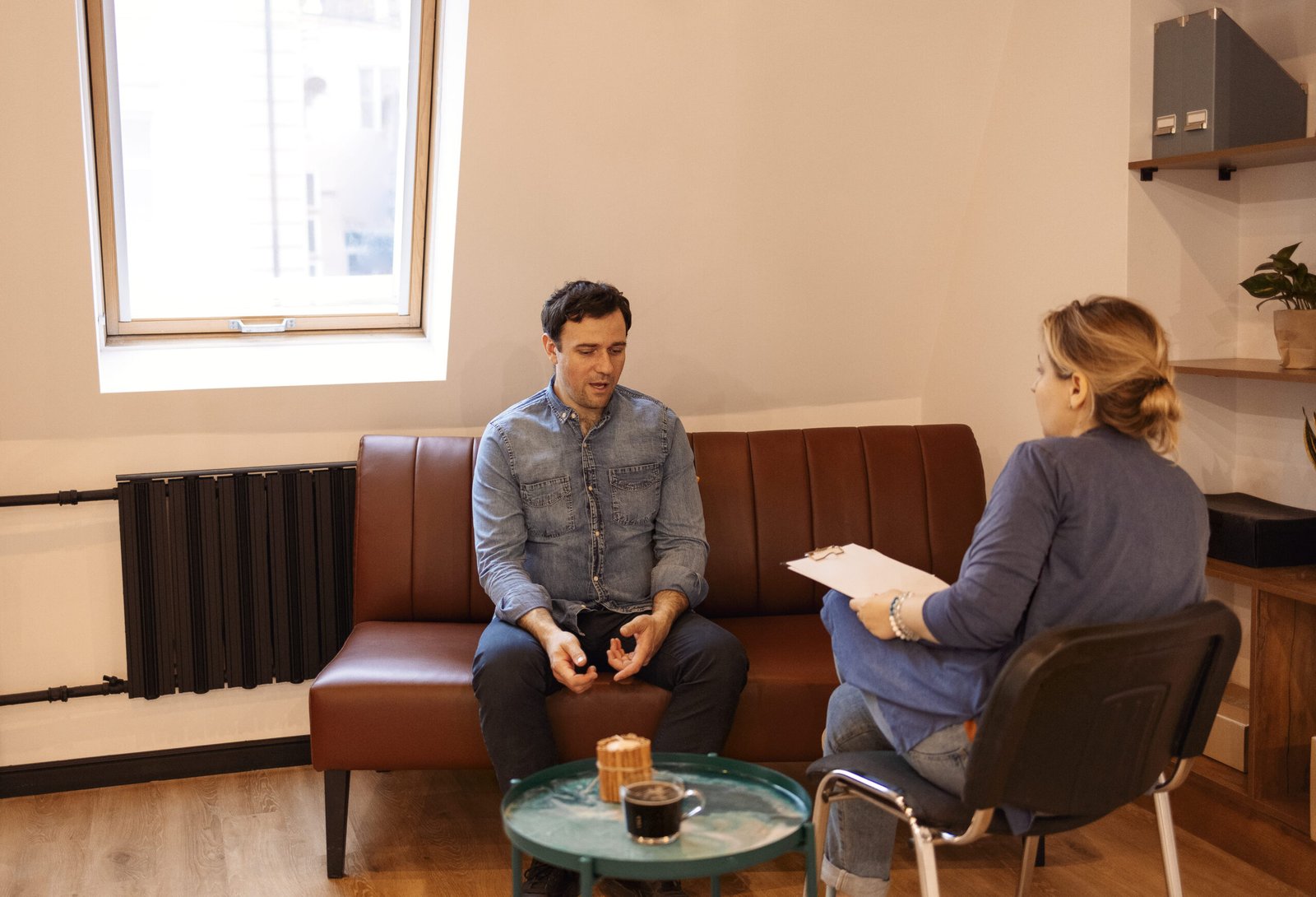
The Role of Licensed Facilitators
At the heart of the healing center model are state-licensed Natural Medicine Facilitators.Facilitators complete extensive training and must demonstrate competence in areas such as:
Trauma-informed care
Ethics and boundaries
Screening and contraindications
Preparation and integration support
Cultural humility and informed consent
Facilitators do not diagnose or prescribe, and they do not “direct” a person’s internal experience.
Their role is to hold a safe, supportive container—before, during, and after the session—while
honoring each participant’s autonomy and inner wisdom.
The Four Phases of Care
Colorado’s model emphasizes that meaningful healing does not occur in a single moment.
Instead, it unfolds through four interconnected phases:
1. Screening & Intake
Before any session occurs, participants undergo a careful screening process. This may include
medical history, mental-health considerations, medications, and readiness for the experience.
The goal is informed decision-making and safety, not gatekeeping.
2. Preparation
Preparation sessions help participants clarify intentions, understand what to expect, and build
trust with the facilitator. This phase often includes education, mindfulness practices, and
discussion of support needs. Preparation is considered essential—not optional.
3. Administration Session
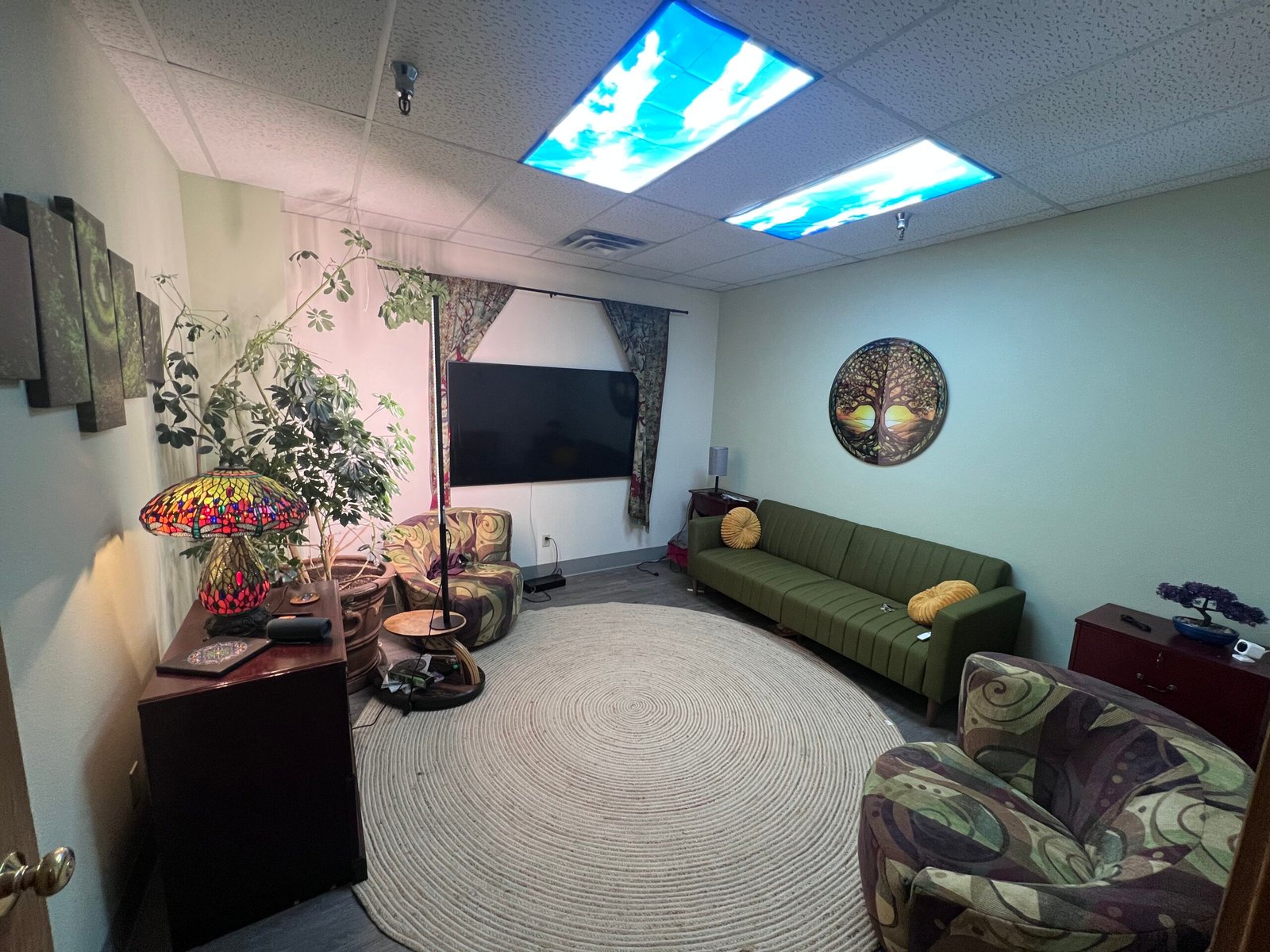
The administration session takes place in a licensed healing center in a calm, intentional
environment. The participant remains supported throughout the experience, with facilitators
present to ensure physical and emotional safety. Sessions are typically inward-focused and
non-directive.
4. Integration
Integration helps participants make sense of their experience and apply insights to daily life.
This phase may include reflection, dialogue, creative expression, or therapeutic support.
Integration is where insights become lasting change.
What the Model Is—and Is Not
The regulated healing center model is:
Legal and licensed
Structured and intentional
Focused on safety and ethics
Rooted in preparation and integration
It is not:
Recreational use
A quick fix or miracle cure
A replacement for medical or mental-health care
Psychedelic tourism or entertainment
Why This Model Matters
Colorado’s approach reflects a broader understanding that natural medicines, when used
thoughtfully, require context, support, and responsibility. By regulating healing centers and
facilitators, the state aims to reduce harm, increase transparency, and create access to services
that honor both ancient traditions and modern safeguards.
This model invites a slower, more respectful relationship with natural medicine—one that
centers human dignity, consent, and care.
Final Thought
Colorado’s regulated healing center framework represents an important cultural shift: moving
from secrecy and stigma toward education, accountability, and intentional healing. For those
exploring natural medicine, understanding this model is a vital first step.